Facility and Service Upgrades That Help Restaurants Stay Competitive
The restaurant industry today faces numerous challenges and opportunities, especially concerning the infrastructure that supports everyday operations and customer experiences. From maintaining effective layouts to ensuring essential services like plumbing and electricity are functioning optimally, restaurant owners must juggle multiple elements to keep their businesses running smoothly. This article explores key aspects of restaurant infrastructure management, diving into the roles of local remodeling contractors, electrical services, and more. It aims to provide insights into efficiently managing these vital components without interrupting daily operations, ensuring not just survival but thriving in a highly competitive landscape. Additionally, the discussion extends to maintaining food safety, preventing infestations, and enhancing outdoor dining environments, offering a holistic approach to overarching restaurant success.
Updating Layouts Without Disrupting Daily Operations
Modifying a restaurant’s layout presents unique challenges, particularly the need to avoid disruptions that could interfere with daily service and revenue. Local remodeling contractors play a key role in managing this balance by implementing renovation strategies that allow improvements to take place alongside normal operations. They often schedule work during off-peak hours or in carefully planned phases, ensuring that essential areas remain accessible and that construction activity has minimal impact on staff workflows and the guest dining experience. The value of a local remodeling contractor extends beyond scheduling flexibility. Their familiarity with local building codes, permitting requirements, and inspection processes helps prevent delays and compliance issues. By working closely with restaurant owners and managers, these professionals tailor design solutions to specific operational needs, whether that involves improving kitchen efficiency, updating dining areas, or enhancing accessibility. This collaborative approach ensures that renovations align with the restaurant’s brand identity while supporting long-term functionality. Well-executed remodeling projects can significantly improve operational flow and overall ambiance. Thoughtful space planning reduces bottlenecks, improves staff movement, and creates a more comfortable environment for guests. Incorporating modern design elements and durable materials not only refreshes the interior but also supports easier maintenance. As a result, restaurants benefit from improved employee efficiency, higher customer satisfaction, and stronger revenue potential.
Power Infrastructure That Supports Modern Restaurant Operations
A restaurant’s power infrastructure is critical, supporting everything from kitchen appliances to ambient lighting. Leveraging the expertise of an electrical service provider ensures that all electrical installations are efficient, safe, and up to code. Such services include conducting thorough evaluations and necessary upgrades to the existing power systems, crucial for preventing power outages that could disrupt service. Regular maintenance by qualified electrical services professionals ensures that all operations continue seamlessly and safely. These services also focus on deploying energy-efficient solutions, helping restaurants cut down on electricity costs while minimizing their environmental impact. This approach aligns with the contemporary shift toward sustainable practices, making the restaurant more appealing to eco-conscious customers. Additionally, efficient power infrastructure supports other essential systems such as commercial refrigeration services, which are vital for preserving food quality and safety. A reliable power setup contributes significantly to the restaurant’s bottom line by ensuring operational excellence.
Protecting Inventory and Food Safety Behind the Scenes
Restaurants must prioritize commercial refrigeration services to safeguard inventory and maintain food safety. Reliable refrigeration systems are indispensable in keeping ingredients fresh and ensuring the quality of dishes served. Partnering with a reputable commercial refrigeration services provider enables restaurant owners to maintain optimal operational standards through regular maintenance and prompt repairs. Scheduled maintenance checks are vital to anticipate potential malfunctions before they lead to food spoilage. Certified technicians conduct inspections and repairs, ensuring that refrigeration units meet health regulations and operate efficiently. This proactive approach minimizes financial losses related to spoiled inventory and reinforces food safety protocols. Investing in high-efficiency refrigeration technology further enhances sustainability efforts by reducing energy consumption and operational costs. Restaurants committed to these practices not only thrive financially but also boost their reputation among environmentally conscious diners.
Water Systems That Protect Health and Prevent Shutdowns
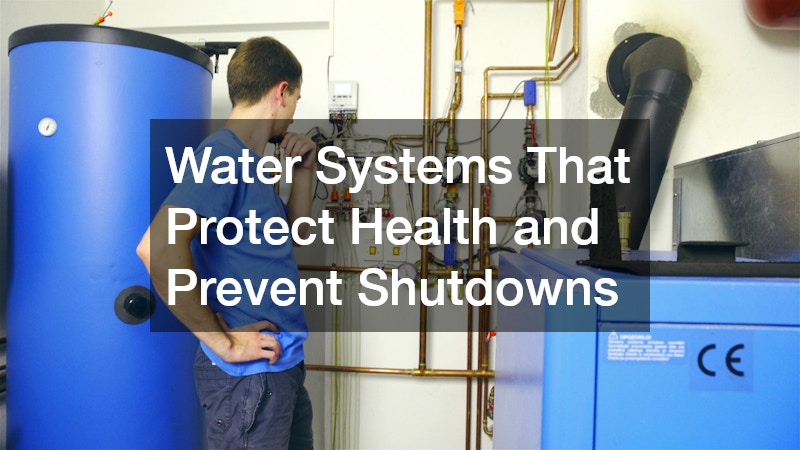
Water systems are foundational to both hygiene and daily restaurant operations, making consistent upkeep essential to avoiding costly disruptions. From handwashing stations and restrooms to dishwashing equipment and food prep areas, nearly every function relies on properly working plumbing. Professional plumbing service plays a vital role in ensuring installations remain compliant, efficient, and reliable, helping prevent leaks, clogs, or backups that could result in health code violations or forced closures. Even minor plumbing issues, if left unaddressed, can quickly escalate into operational emergencies. Upgrading to modern plumbing solutions allows restaurants to manage water usage more efficiently while identifying problems before they become disruptive. Technologies such as automated leak detection, high-efficiency fixtures, and pressure-regulating valves help reduce water waste and prevent hidden damage behind walls or under floors. These improvements not only lower monthly utility costs but also support sustainability initiatives, which are increasingly important to both regulators and environmentally conscious customers. Proactive plumbing upgrades also extend the lifespan of existing infrastructure, reducing the frequency of major repairs. When unexpected issues arise, access to a reliable plumbing service becomes invaluable. Rapid response minimizes downtime, limits property damage, and ensures the restaurant can resume normal operations as quickly as possible. Timely repairs help protect the establishment’s reputation, maintain compliance with health standards, and safeguard revenue. By prioritizing professional plumbing support and ongoing maintenance, restaurants can operate with greater confidence and resilience.
Preventing Infestations Before They Impact Reputation
The risk of pest infestations is a perpetual concern for restaurant owners as it can damage reputation and lead to health violations. Proactive pest control measures are essential to prevent these issues from escalating. Professional pest control services implement integrated management strategies that ensure a pest-free environment. Regular inspections and preventive treatments by pest control experts help to identify and mitigate potential pest threats before they can affect the business adversely. By understanding restaurant-specific challenges, these specialists develop tailored solutions that keep pests away without disrupting the dining atmosphere. Embracing eco-friendly pest management techniques also aligns with sustainable practices, further bolstering a restaurant’s commitment to environmental responsibility. This approach reassures customers about the safety and hygiene standards maintained by the establishment.
Keeping Wastewater Systems Flowing Properly
The efficient management of wastewater systems is essential for maintaining hygiene and operational continuity in restaurants. Drain and sewer cleaning services play a pivotal role in ensuring that waste flows properly and that backups are prevented. Regular maintenance by specialist providers can avert unpleasant odors and costly damage repairs. Proactive drain and sewer cleaning helps identify issues before they escalate, providing timely interventions that ensure smooth operation and compliance with health regulations. The adoption of advanced cleaning technologies allows for more effective maintenance that supports long-term operational efficiency. Effective wastewater management also minimizes environmental impact and aligns the restaurant with sustainable practices. Customers are increasingly drawn to establishments that demonstrate a commitment to environmental stewardship, reinforcing the importance of these efforts.
Protecting the Building From Weather and Structural Damage
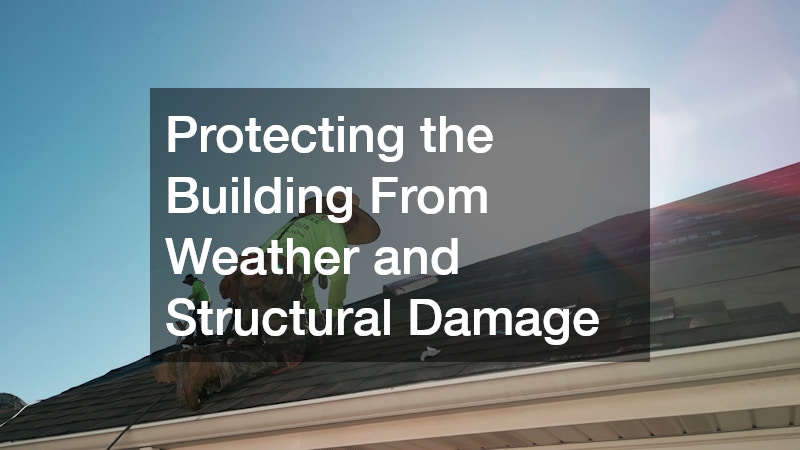
Building integrity begins with a reliable roof, which protects the restaurant from weather-related damage. Custom commercial roofing companies provide vital services to ensure the roof is in optimal condition, safeguarding the property against leaks and structural deterioration. A well-maintained roof is essential for preventing costly repairs and maintaining uninterrupted service. These roofing experts conduct regular inspections to detect and address potential issues before they become serious problems. Their work not only ensures safety but also maintains the building’s visual appeal and structural soundness. Furthermore, energy-efficient roofing solutions can help reduce heating and cooling costs, supporting sustainability while enhancing the comfort and experience of patrons. Businesses that invest in roofing innovations often see substantial long-term benefits both financially and environmentally.
Recovering Quickly From Leaks, Flooding, and Emergencies
Water-related emergencies present serious risks to restaurant operations, as even minor leaks or flooding can quickly escalate into costly disruptions. Burst pipes, roof leaks, appliance failures, or severe weather events can damage floors, walls, electrical systems, and equipment, making rapid intervention essential. Water damage restoration services play a critical role in stabilizing these situations, providing professional support to assess the extent of damage, remove excess moisture, and restore affected areas to safe, usable conditions as efficiently as possible. Developing a comprehensive water damage restoration plan in advance helps restaurants minimize downtime and maintain business continuity when emergencies occur. Clear response protocols, emergency contact lists, and documentation procedures allow staff to act quickly and reduce confusion during high-stress situations. Restoration specialists not only address immediate threats such as standing water and mold growth but also identify underlying causes and recommend preventative measures to reduce the likelihood of future incidents. Prompt action is key to preventing long-term structural damage, equipment loss, and food contamination. Delays can lead to compromised building materials, lingering odors, and health concerns that may result in extended closures or regulatory issues. By partnering with experienced water damage restoration professionals, restaurants protect their physical assets, limit financial losses, and demonstrate a strong commitment to safety and operational excellence. This proactive approach helps reassure customers, employees, and inspectors that the business is prepared to manage emergencies responsibly and effectively.
Enhancing Curb Appeal and Outdoor Flow
The exterior appearance of a restaurant plays a critical role in shaping first impressions, making the involvement of a custom landscape designer an important investment rather than a cosmetic afterthought. Thoughtful landscape design helps create an inviting, cohesive outdoor environment that draws customers in before they ever step inside. When exterior elements such as greenery, walkways, lighting, and seating areas are intentionally designed, they improve both visual appeal and the functional flow of foot traffic while reinforcing the restaurant’s overall brand identity. Strategic landscaping also supports operational efficiency and long-term sustainability. Incorporating native plants, drought-tolerant greenery, and efficient irrigation systems reduces water usage and ongoing maintenance demands. Proper grading and drainage design can help prevent water pooling near entrances, protecting the building and improving guest safety. These practical considerations allow restaurants to maintain an attractive exterior year-round without excessive upkeep, aligning environmental responsibility with cost control. Well-designed outdoor spaces can also expand a restaurant’s usable footprint, creating opportunities for additional seating, waiting areas, or special events. Comfortable, visually appealing outdoor environments encourage guests to linger longer and return more frequently, particularly in favorable weather. By investing in a professionally designed exterior, restaurants position themselves as welcoming, polished, and experience-driven destinations, ultimately strengthening customer satisfaction, brand perception, and long-term loyalty.
Expanding Seating and Revenue Opportunities Outdoors

The expansion of outdoor dining spaces offers restaurants meaningful opportunities to increase seating capacity while unlocking new revenue streams. With thoughtful planning and design, outdoor areas can be transformed into inviting extensions of the dining room that enhance the overall customer experience. Well-executed outdoor dining supports flexible service options, accommodates larger groups, and appeals to guests who prefer open-air environments, particularly during peak seasons and favorable weather. A successful outdoor dining strategy prioritizes comfort, durability, and adaptability. Weather-resistant furniture, durable flooring, and strategically placed barriers help maintain usability and appearance over time. Features such as retractable canopies, umbrellas, patio heaters, and misting systems allow restaurants to extend outdoor service beyond limited seasonal windows. Proper lighting and sound considerations further improve ambiance, making outdoor spaces comfortable and appealing during both daytime and evening hours. Beyond day-to-day service, outdoor dining areas can become valuable assets for marketing and brand differentiation. Restaurants can leverage these spaces for special events, themed dinners, live entertainment, or limited-time promotions that highlight the unique atmosphere. By promoting outdoor dining through digital channels and local outreach, businesses can attract new customers, encourage repeat visits, and strengthen community engagement. When integrated thoughtfully, outdoor dining becomes more than additional seating—it becomes a strategic driver of visibility, loyalty, and long-term growth.
Maintaining a modern restaurant requires a multidimensional approach involving continuous infrastructure management and strategic enhancements. From remodeling efforts executed by skilled contractors to robust water systems ensuring smooth operation, each aspect contributes to a restaurant’s success. The adoption of advanced technologies in power infrastructure and refrigeration further solidifies stability and efficiency. Complementing these are outdoor dining strategies and landscaping, which enhance customer attraction and overall dining experience. By prioritizing sustainability and operational excellence throughout these dimensions, restaurants can ensure they remain relevant and appealing in an ever-evolving market. This holistic focus on infrastructure not only meets current needs but also positions restaurants for long-term success.